

SUPERSTUFF AGENCY FEATURE · THE SMALL BUSINESS PROJECT
Most agencies will happily take your money to run ads. The Small Business Project has a habit that's rarer: if the honest answer is "you don't need ads right now", they’ll tell you so.
It's an odd thing to build a performance marketing agency around. But it's the thread that runs through everything they've done, from a 70-seat music evening in Delhi to campaigns for Colorbar, Vir Das and Roshan Abbas. And it says a lot about where they think marketing is heading.
An editor and an engineer walk into a small business
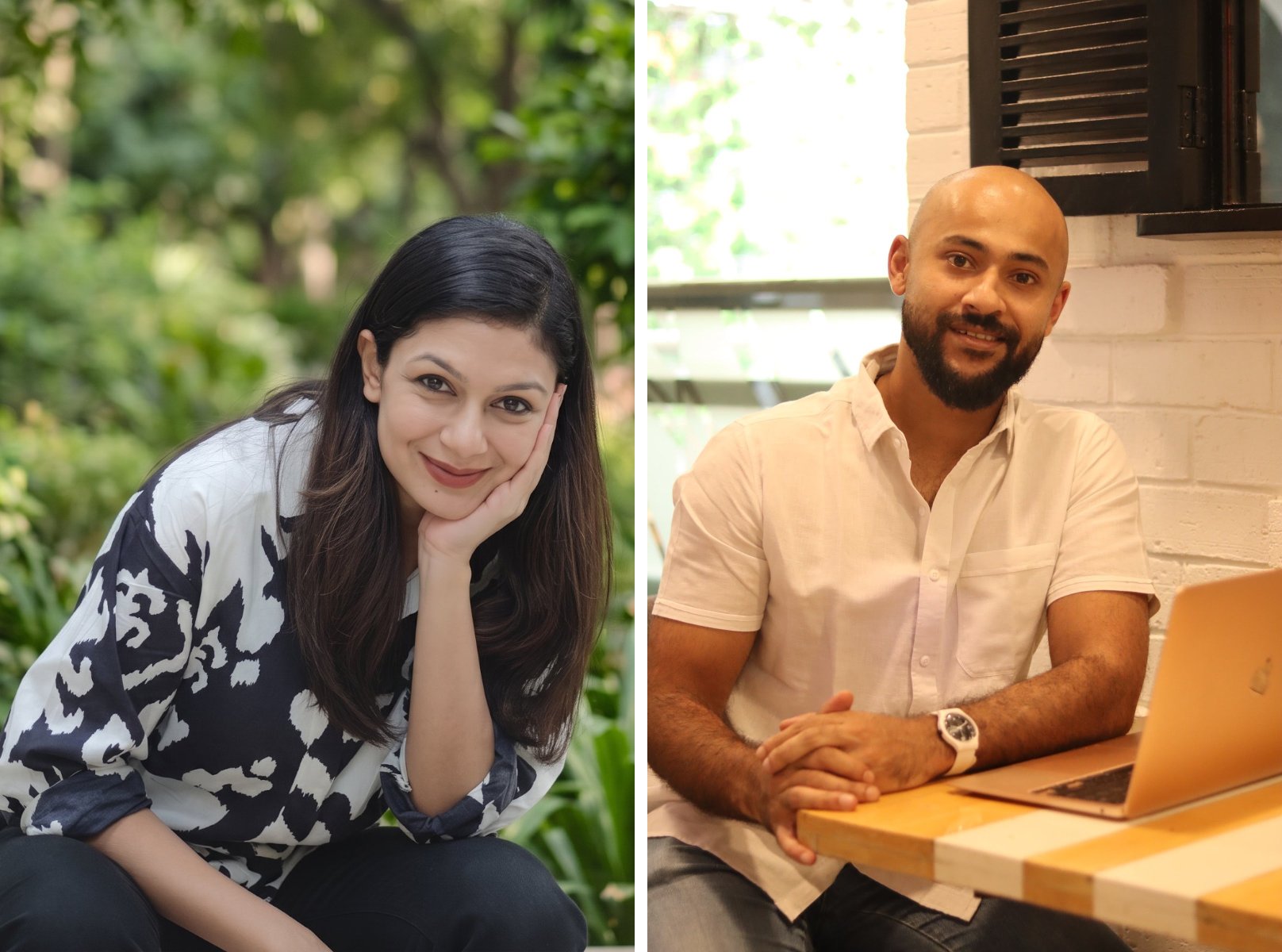
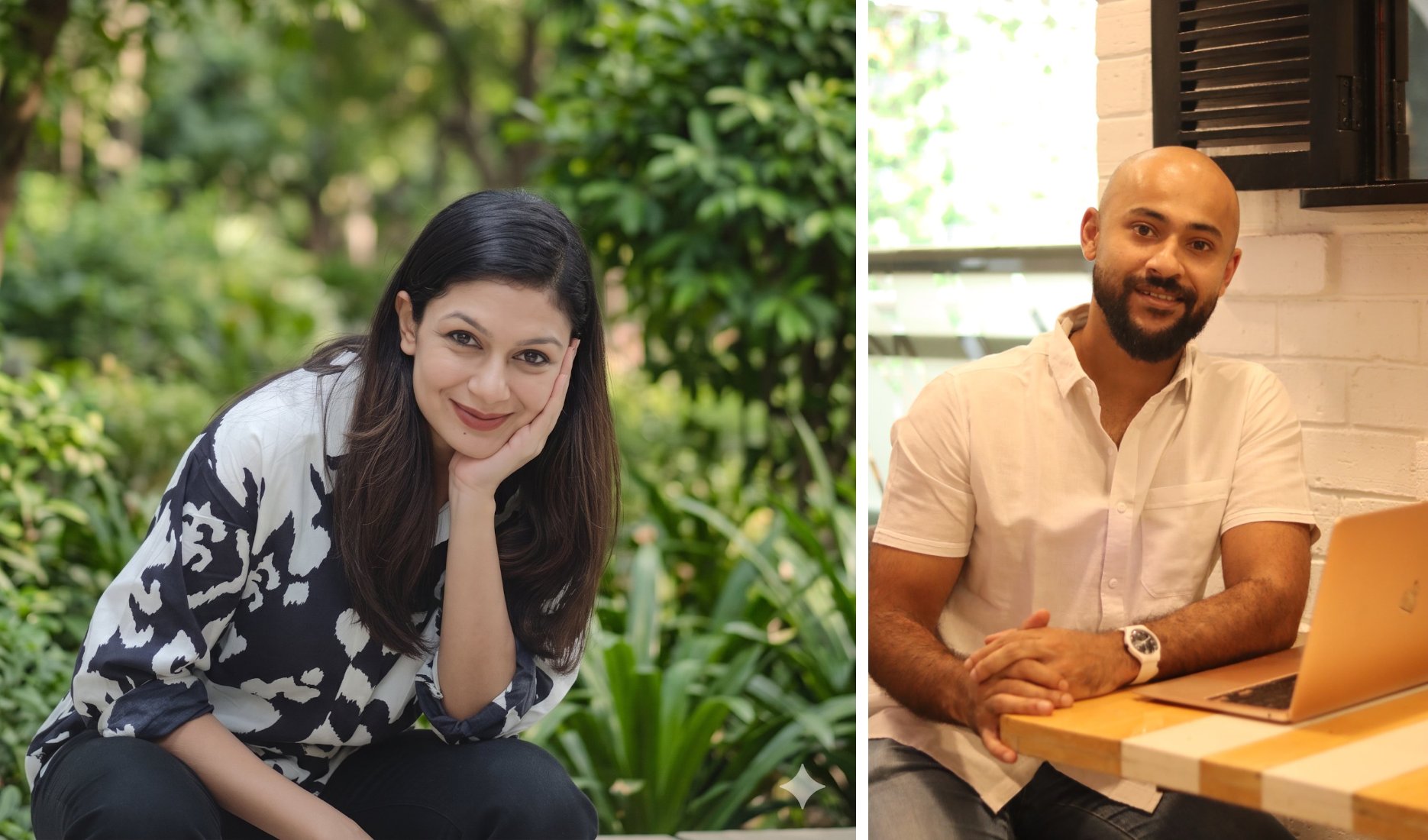
Priyaneet Singh spent six years as an editor at Penguin Random House DK. Rachit Hegde was an engineer who'd drifted into marketing. They met through an online program, and in 2017 they started taking on freelance projects together: Rachit on tech and performance, Priyaneet on content.
They never set out to build an agency. But their clients were small businesses, and small businesses don't need a specialist. They need someone who'll do whatever it takes. So Rachit and Priyaneet did all of it: branding, websites, ads, email, organic social, even turning up at clients' photoshoots and award shows.
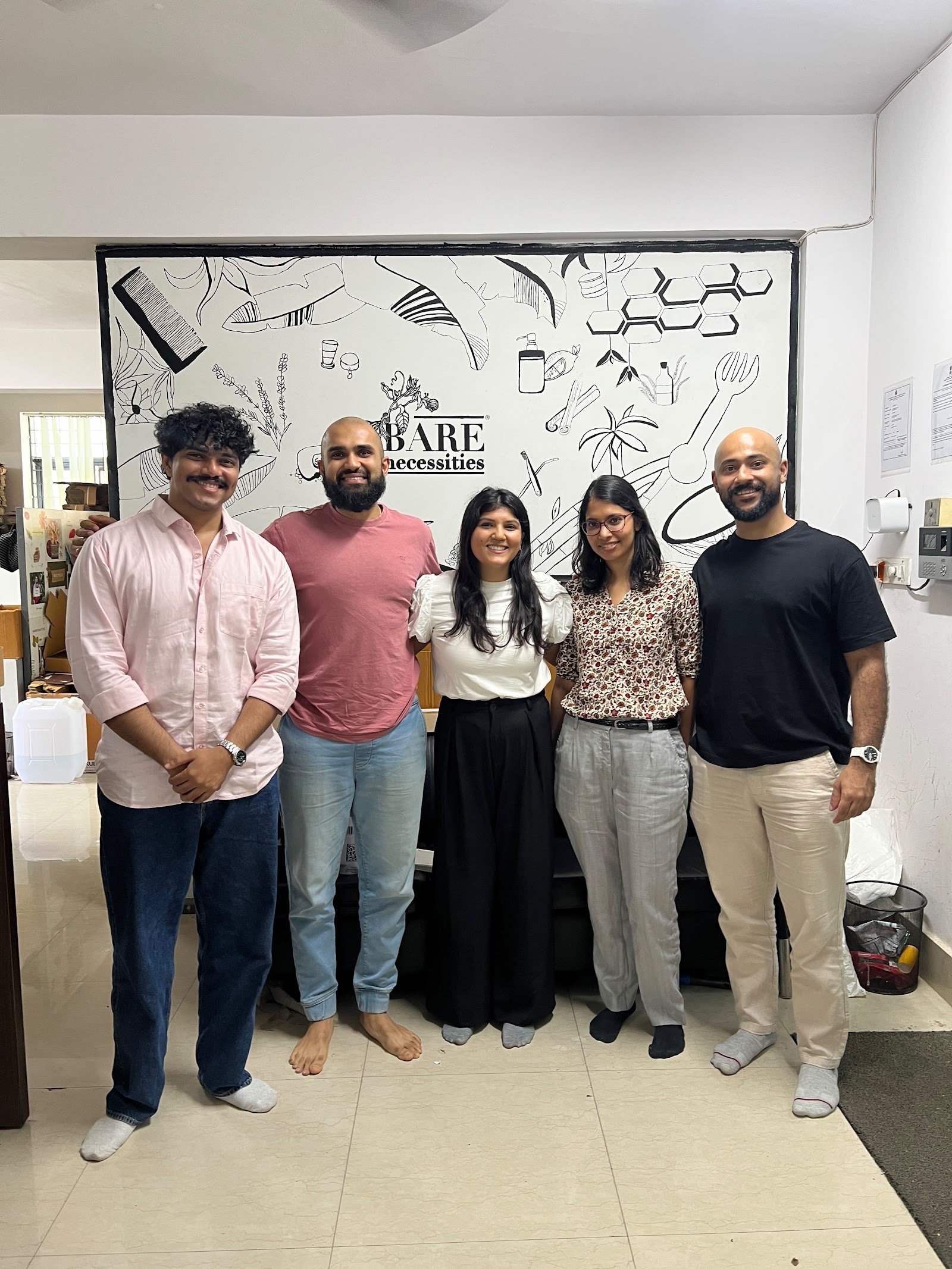
The name came from that. "The Small Business Project" was simply an honest description of the work.
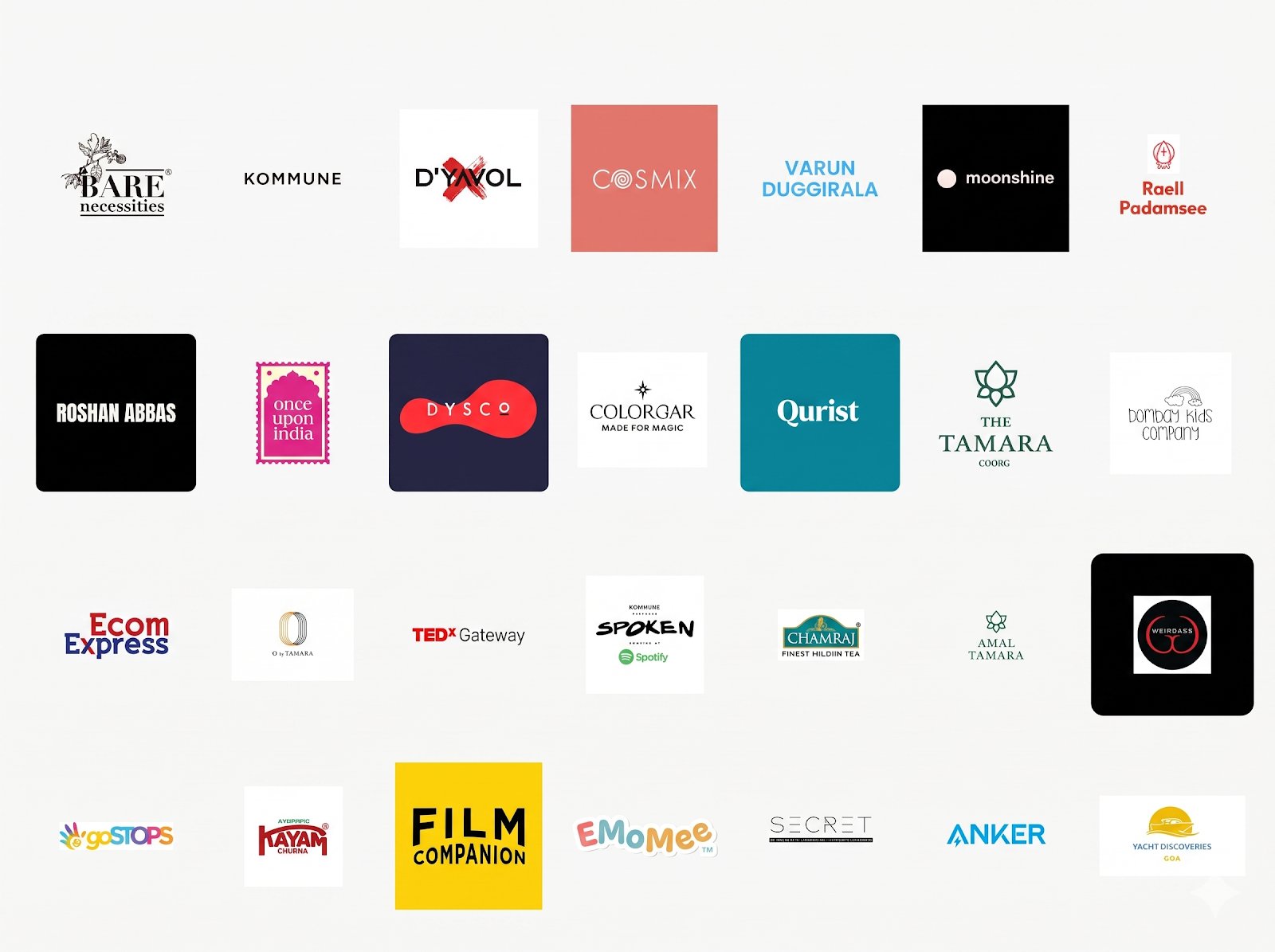
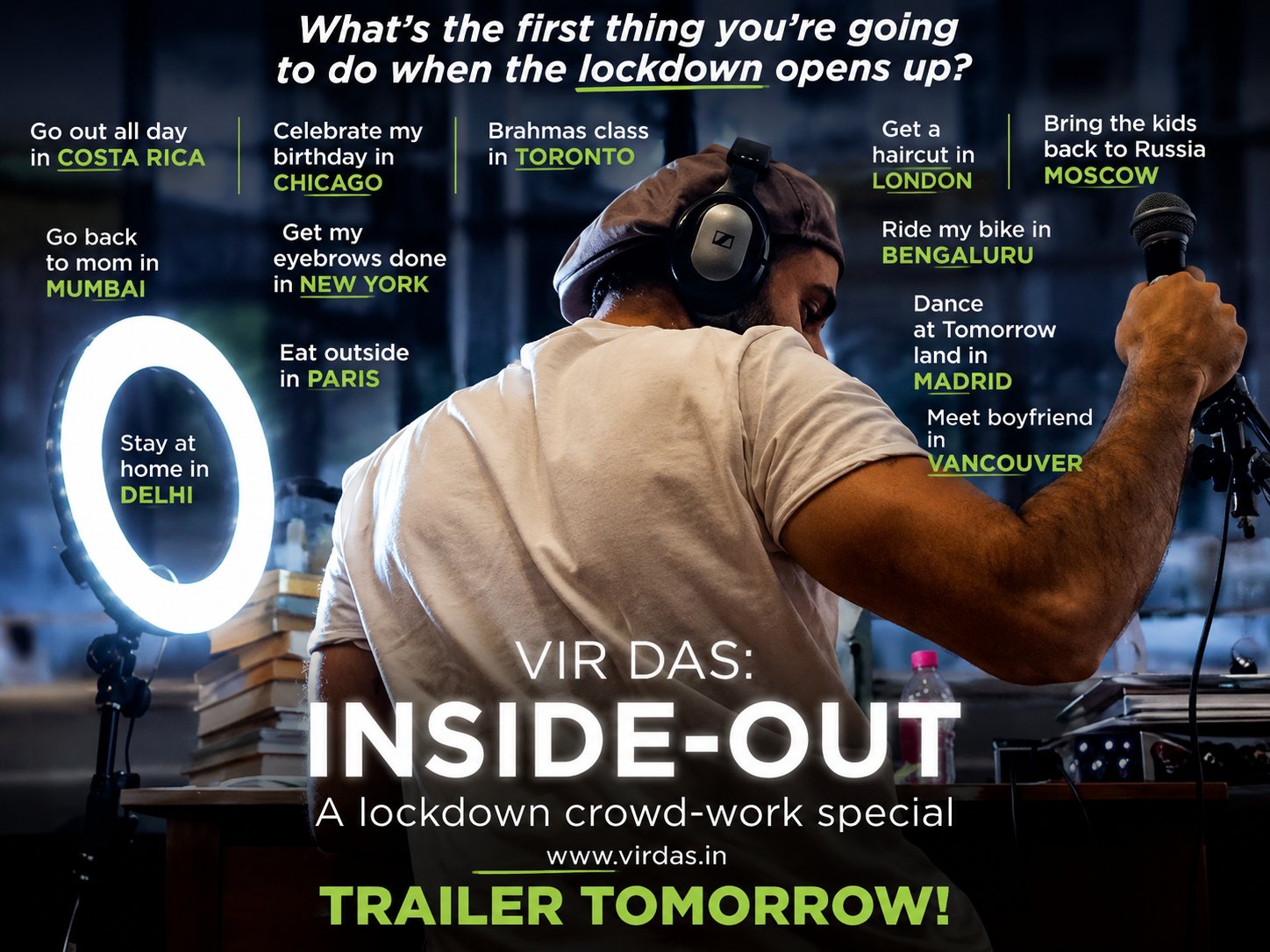
Nine years on, they're a fully remote team across seven cities. They've managed ₹25 crore+ in ad spend for 210+ businesses in India, the US, the Middle East and Malaysia. The client list now includes Colorbar, Ecom Express and TEDxGateway, plus names like Vir Das, Roshan Abbas and Varun Duggirala. They've narrowed their focus to performance ads. But the name stayed, because the attitude did: stay close to the business, and do what actually helps.
"Sometimes a project looks great on paper, with wonderful margins, but we can't genuinely make a difference to the client's business… We say so. You don't build long-term relationships by taking money for work you don't believe in."
The creative is the new targeting
When TSBP started, performance marketing was a targeting game. You sliced audiences finely and hunted for the right pocket of people.
Then the platforms changed, Meta's Andromeda update (its recent algorithm change) most of all. Now the algorithm does the finding. What decides whether an ad works is the ad itself. The question moved from "who do we show this to?" to "what are we saying, and why would anyone care?"
That shift explains most of what TSBP believes today.
More variations isn't the same as more ideas. AI can produce a truckload of ad variations in minutes. But swapping a headline, a font or a background colour just gives you the same ad ten times. Real testing means different messaging angles, different USPs, different claims.
People can tell when an ad is AI-made. TSBP has watched audiences react badly to ads that look obviously generated. People still want something real, even if it's a little flawed.
Ads amplify what you have. They can't invent it. If you want ads to work, you have to keep building the raw material: sharper product claims, customer videos (UGC), expert opinions, third-party reviews. That's an ongoing investment, not a one-off.
Cosmix, a superfoods brand, is a good example. TSBP's biggest contribution wasn't a clever campaign. It was a set of working sessions with the founder on using real customer stories instead of polished claims. That changed the direction of every ad and script the brand produced, and over six months the ads returned 5x what was spent on them.

"Sell more tickets" wasn't the real brief
Ask TSBP what their superpower is and they'll tell you it's zooming out. They look at the whole business, not just the ad account. Once Upon India is the clearest recent example.
Once Upon India (OUI) creates immersive cultural evenings: intimate Baithaks and larger Mehfils built around music, storytelling and poetry. When they came to TSBP, they were running Baithaks of about 70 seats in Delhi and Gurgaon. The ambition was much bigger: take the experience across India without losing full houses or profitability.
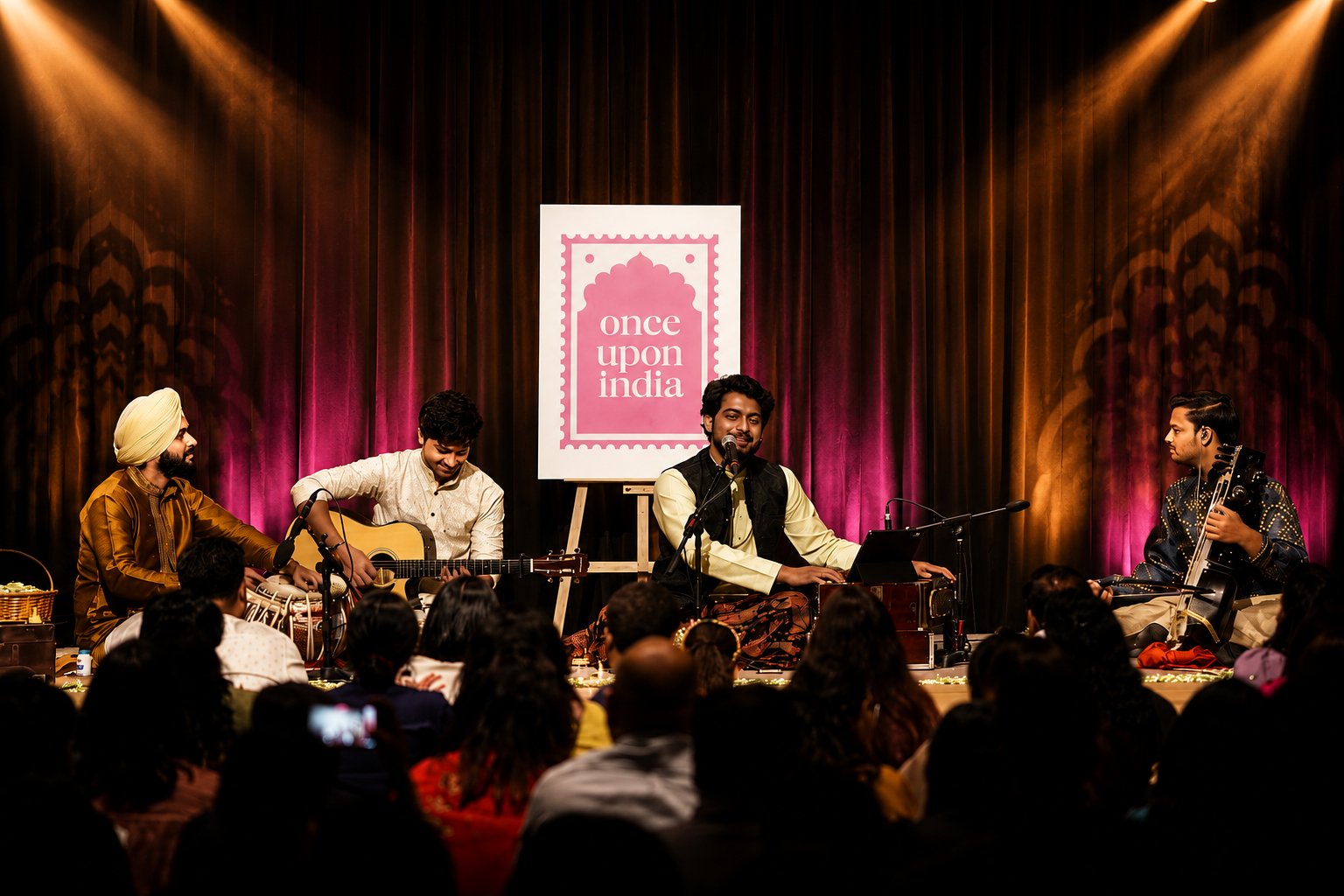
The brief sounded like "sell more tickets". But the real problem was different. OUI needed an events business that could repeat itself in new cities.
So in year one, TSBP worked out which audiences respond to which formats, price points and messages. They marketed seven Baithaks and launched a 350-seat Mehfil priced at ₹4,000–₹11,000, selling 800+ tickets. Then they kept studying the results city by city and format by format, bringing a view on what was likely to work in each new market and what wasn't.
Once Upon India: when they started with TSBP vs two years later
- Cities: Delhi and Gurgaon → 15+
- Baithak size: ~70 seats → 150–200 seats
- Mehfil size: 350 seats (first one) → 400–500 seats
- Tickets sold: 800+ in year one → 4,000+
Revenue grew 700% in a year, and about 90% of tickets now sell directly on OUI's own website. The audience belongs to OUI, not to a ticketing platform.
The ads were only one part of it. The bigger contribution was helping decide what to sell, at what price, to whom, and where to go next.
"The most sorted, organised, polite, focused, result-oriented team we have ever worked with." — Malini Arora, Partner, Once Upon India
What's left when everyone has the same tools
TSBP's view of the future is blunt. AI is an equaliser. Clients can now pull the same reports, data and analysis an agency can, so "we have access to the tools" is no longer a reason to hire anyone.
What's left is judgement. A report tells you what happened, not what to try next, and the same dashboard can support very different decisions. The value is in knowing the business well enough to choose.
So their advice, for brands and agencies alike, comes down to three things.
- Put human thinking at the start. Use AI to execute the idea, not to come up with it. The brief is where the difference gets made: the customer insight, the angle nobody else has spotted.
- Treat AI analysis as a starting point. It's genuinely useful. It just isn't a decision.
- Keep feeding the machine real material. Customer stories, sharper claims, reviews and expert voices are what ads amplify. Without them, there's nothing to amplify.
Ask Rachit and Priyaneet what will matter more in three years, and the answer is one line:
"Knowing what's worth making. Making things will be cheap, so choosing what to make will be the skill."
It's a fitting answer from a team that has outlived several versions of its own job, and expects to outlive a few more.
About The Small Business Project: A fully remote performance marketing agency founded in 2017 by Rachit Hegde and Priyaneet Singh. They've worked with 210+ businesses across India, the US, the Middle East and Malaysia, including Colorbar, Ecom Express, Kommune, Cosmix, Moonshine, TEDxGateway, Film Companion and Once Upon India. See their work at super.page/thesmallbusinessproject
This feature is part of SuperStuff's agency series, profiling partners we work with often. Looking for an agency like this? Tell us what you need.


